
3CRS - Community-Driven Coastal Climate Research & Solutions
3CRS includes partnerships across Rhode Island, New Hampshire, and Maine and will initially focus on four focal communities: Port of Providence (RI), Port of Galilee (RI), Rockland (ME), and Bath (ME), with plans to expand more broadly across New England.
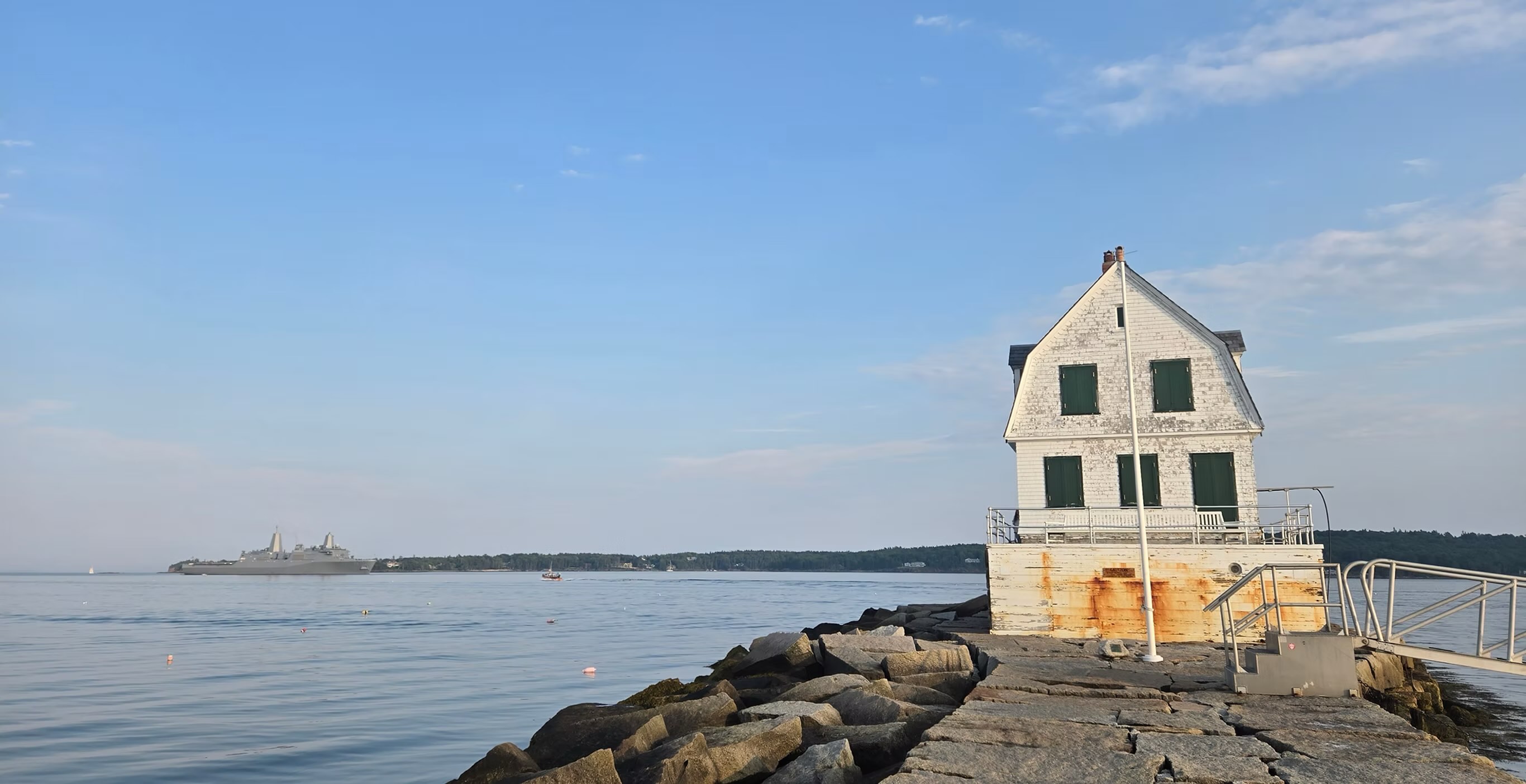
Rockland, Maine, is a small coastal city located in the heart of the Midcoast region, about 80 miles northeast of Portland. It is known for its strong maritime heritage and thriving arts scene, and is a thriving tourist destination. Once a major ship-building center, it is a commercial fishing and lobstering hub though is still home to other maritime industries. Rockland is a lifeline to several remote island towns, as well as neighboring towns.
LEARN MORE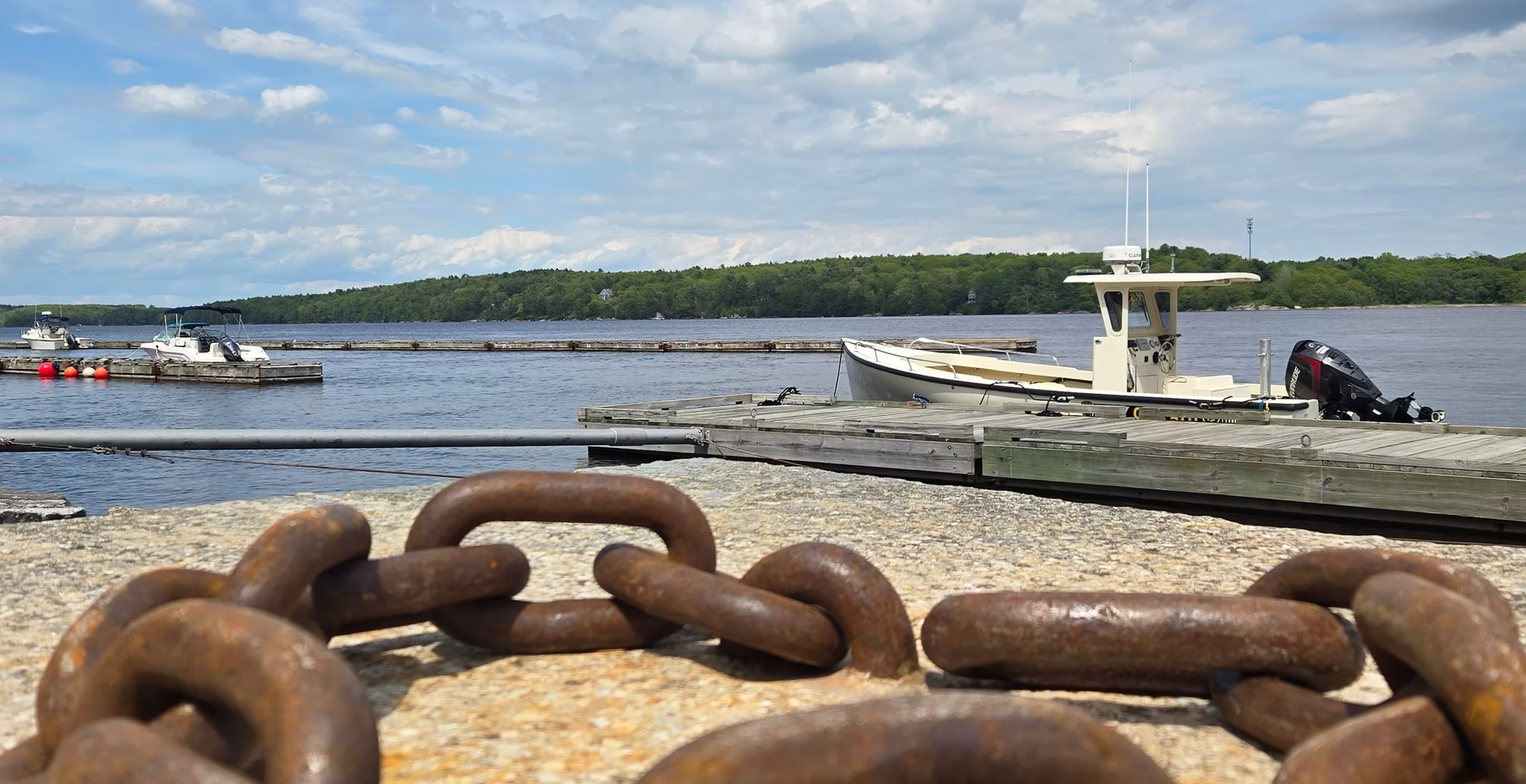
Bath, Maine is a small coastal city known for its rich maritime history. Located on the Kennebec River, about 35 miles northeast of Portland, Bath is often referred to as the "City of Ships" due to its longstanding shipbuilding heritage and self-identifies as a "ship-building community". It is home to Bath Iron Works, a major shipyard that has been constructing naval ships since the 19th century, and the largest employer in the state, and is also home to river charters and river-sized cruise ships for tourism. Bath serves as a hub for surrounding towns and islands that rely on its roads and infrastructure for access to employment, broader transportation networks, healthcare, groceries, and other essential services.
LEARN MORE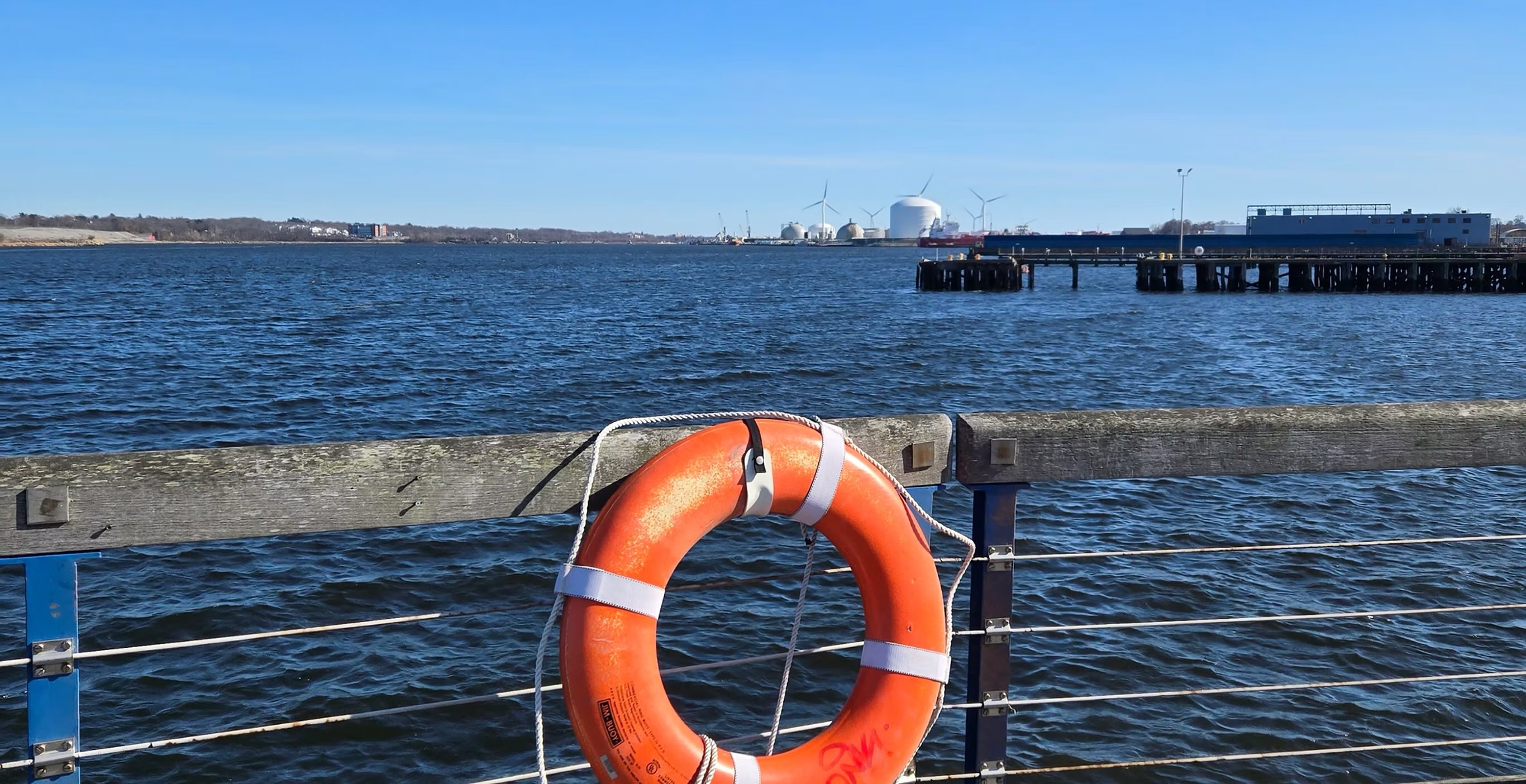
The Port of Providence is one of the busiest deep-water ports in the northeastern US. As a hub for industrial activities, regional commerce, and a growing renewable energy sector, it is an important part of Rhode Island's economy. The Port supports thousands of jobs, both directly through port operations and indirectly through related industries like shipping, logistics, and manufacturing. It has also led to environmental and climate justice efforts in the neighborhoods abutting the Port that have been disproportionately exposed to and affected by industrial pollution and contamination over decades.
LEARN MORE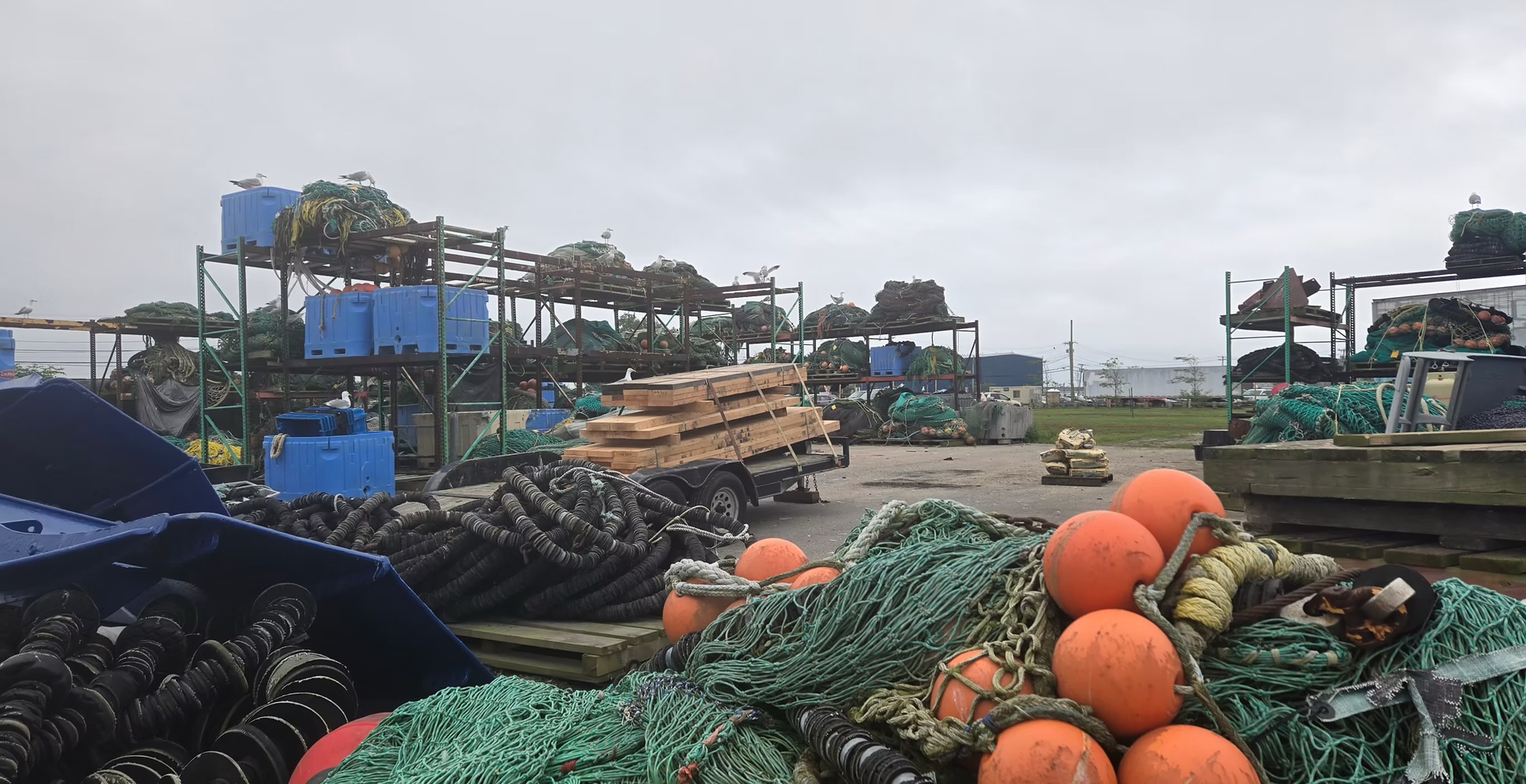
The Port of Galilee is an economic engine for the state of Rhode Island as the largest fishing port in the state and one of the busiest fishing ports on the East Coast. It is a major transportation hub for tourists traveling to and from Block Island, and is home to two state beaches, restaurants, shops, and boutique hotels. It is also a critical lifeline to Block Island, and is the only port providing food, fuel, and other services to residents of Block Island.
LEARN MOREAs working waterfronts, these communities have a shared coastal identity with a strong connection to marine heritage. Additionally, they are experiencing similar vulnerabilities, including aging housing infrastructure, limited AC access, aging sewer systems, and exposure to similar storm systems. Social cohesion, which is an asset for resilience, is a strong presence in these tight-knit communities, especially in Rockland, Bath, and the Port of Galilee.
While these communities have commonalities, both regions differ enough in coastline characteristics (e.g., estuary vs. seacoast, infrastructure, and steepness), governance, and demographics to make comparative research valuable. For example, Maine's communities (Rockland and Bath) are more rural and demonstrate strong working waterfront ties, where Rhode Island's communities (Port of Providence and Port of Galilee) are more urbanized, economically diverse, and politically distinct.
Comparing these communities allows models to be developed on larger scales, coastal educational initiatives to be shared, public health processes to be replicated, and strengths in community adaptation methods to be revealed. These communities can validate each other's experiences, plans, and data. Together, they can learn from each other as they become more climate resilient.