01
Assess Climate Resilience Gaps & Strengths
Identify strengths, vulnerabilities, and information gaps related to climate resilience in each community.

Low-lying, working waterfront communities throughout New England are disproportionately vulnerable to projected increases in the frequency and intensity of flooding and coastal storms. These pose an existential threat to these communities, jeopardizing livelihoods, ocean-reliant economies, critical infrastructure, community health and wellbeing, and peoples’ heritage.
By collaborating with four initial focal communities of Port of Providence (RI), Port of Galilee (RI), Rockland (ME), and Bath (ME) over five years (2023–2028) with the goal of expanding longer term across New England to empower broader community climate resilience, the Community-Driven Coastal Climate Research & Solutions (3CRS) hub aims to co-develop processes, expert networks, data streams, local relationships and knowledge needed to expand the capacity of working waterfront communities to become more climate resilient.
Download Project Brief →
Identify strengths, vulnerabilities, and information gaps related to climate resilience in each community.
Co-develop tools, training, and capacity to meet communities’ evolving needs around climate resilience.
Highlight and center community narratives and visions of resilience to inform future policies and projects.
The 3CRS Hub will work with communities to develop and leverage resources, knowledge, and relationships to control, shape, and envision their future. Through tailored products such as community-driven resilience metrics and the collective visioning of a resilient future, communities can advocate, develop, and implement planning strategies that lead to a more resilient and healthy environment.
Ensuring everyone can access and interpret the decision support tools, knowledge, and localized environmental data they need is critical for informed decision-making. We will partner with communities to build the expertise needed to apply decision making tools and data to their unique circumstances, for example by using AI models to allow community members to access coastal resilience information in an easy way.
We'll work with communities to develop new customized climate resilience data sources and tools, such as sea level rise models and flood sensors. These tools will incorporate detailed information at a granular level to better reflect hyper-local needs and characteristics for better climate resilience planning.

To understand and help address the resilience challenges faced by communities, 3CRS partners with individuals and organizations to:
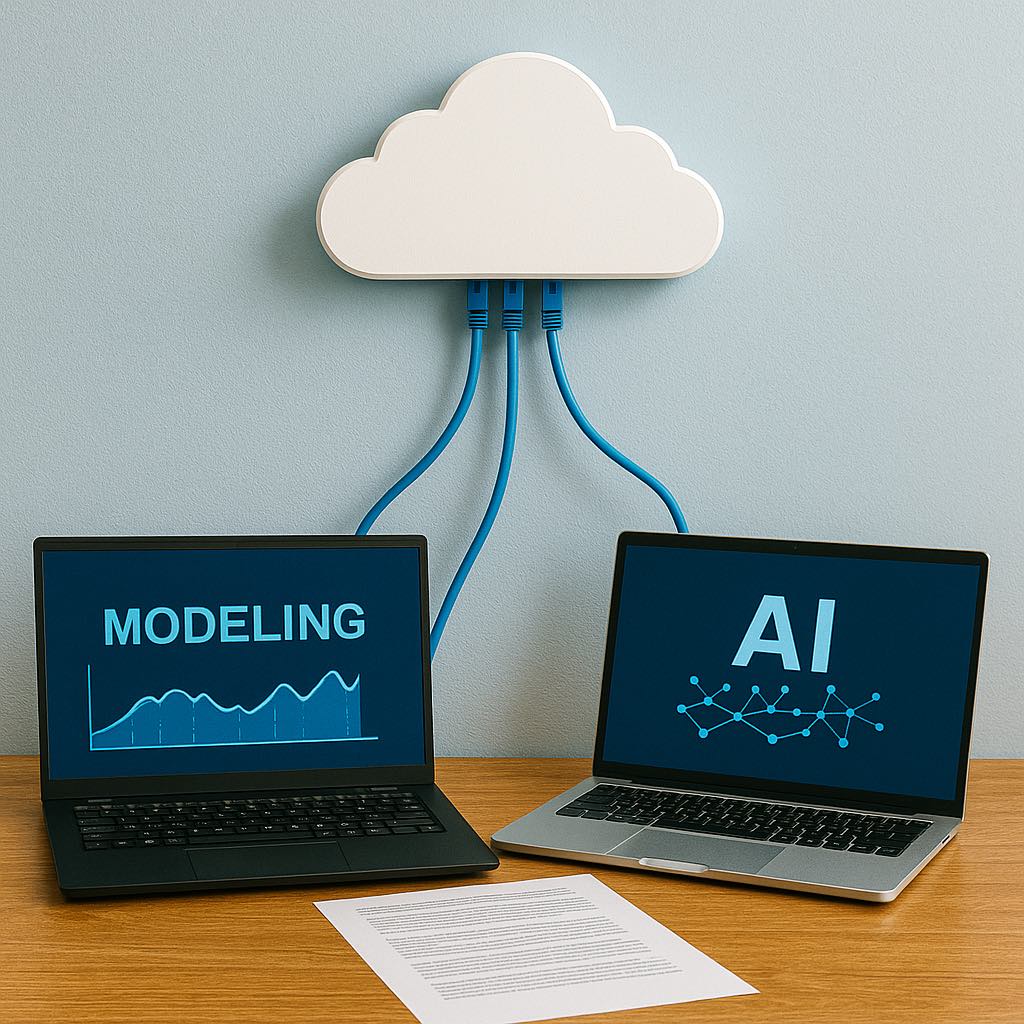
Using the data, knowledge, and CKC gathered during Phase 1, 3CRS will use a hierarchy of dynamical and data-driven modeling approaches to:

The synthesis products from Phase 2 will support the deployment of solutions for coastal climate resilience, which include:

3CRS is supported by the National Science Foundation under EPSCoR RII Track-2 FEC: Community-Driven Coastal Climate Research & Solutions for the Resilience of New England Coastal Populations, Award #2316271.